
Work Commenced December 22 2025.
In the past I’ve reviewed many Nikon binoculars, but in this blog I’ll be showcasing two remarkable bridge cameras that combine the best features of spotting scopes, image stabilisation and photography in one neat package. Enter the Nikon Coolpix P950 and its bigger brother, the P1100, which offer huge potential to birders and outdoor enthusiasts without breaking the bank.
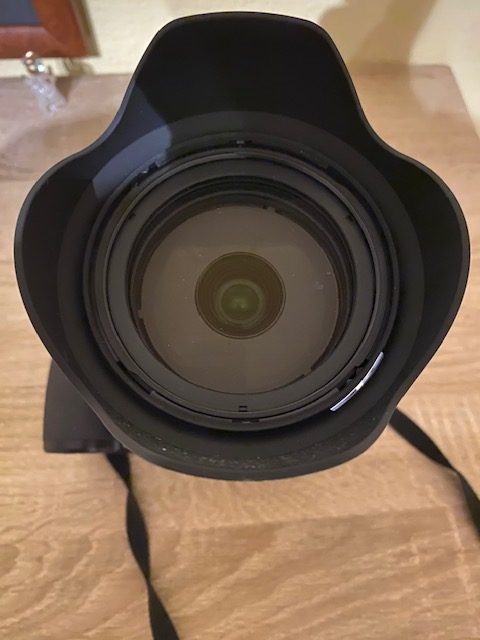
The Nikon P950 and P1100 are cut from the same cloth. With a focal length range of 24-2000mm and 24-3000mm respectively, they offer image stabilised magnifications of 40x and 60x(corresponding to 83x and 125x optical zoom), which enables you get super close to your targets in ways that far exceed the capabilities of imaging binoculars like the Swarovski AX Visio and Svbony SA208. And unlike the new line of image stabilised spotting scopes now being marketed by companies like Kite and Swarovski, they can capture excellent handheld images that can greatly enhance your days out. In a nutshell then, these Nikon super zoom cameras leave all of the above in the dust. Birds that appear as mere specks in an imagining binocular are seen close up in all their glory in these amazing cameras!
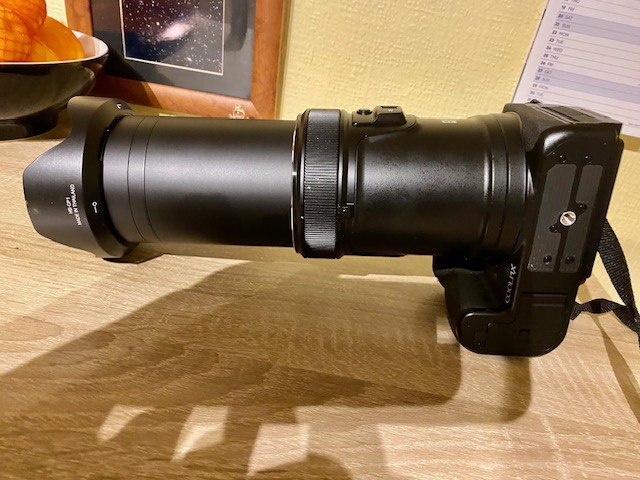
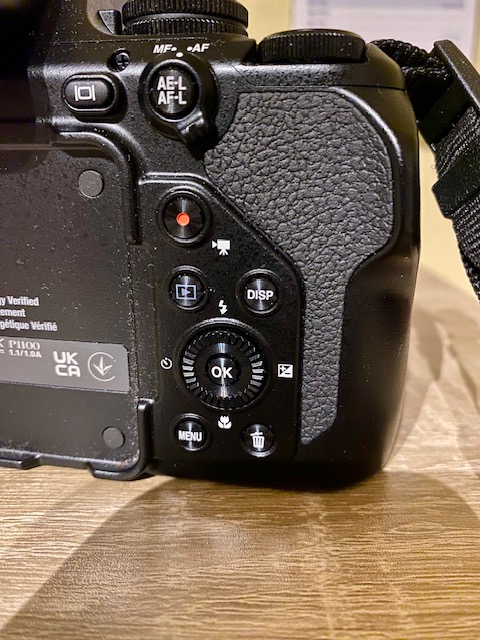
Outwardly, they’re very similar to their predecessors, the P900 and P1000 but include a number of improvements over these first generation models: primarily differing in connectivity (USB-C & Bluetooth 5.2 vs. Micro-USB & Bluetooth 4.1), some new scene modes (like Fireworks), improved ergonomics (new focus selector/control ring), and slightly enhanced image stabilization (5 stops vs. 4 stops), while keeping the same zoom lens and core sensor, with the main driver for the update being EU regulations for USB-C charging ports.
Both cameras have small, 1/2.3 inch sensors, similar in fact to those found in smart phones: a mixed blessing for sure. On the one hand it enables Nikon to pack such large focal length ranges into a portable package(they weigh 1.0 and 1.4 kilos). If a DSLR sized sensor were employed in these cameras, the lenses would be prohibitively long, heavy and unwieldy, not to mention expensive! On the downside, the small sensors don’t perform well in dim light.
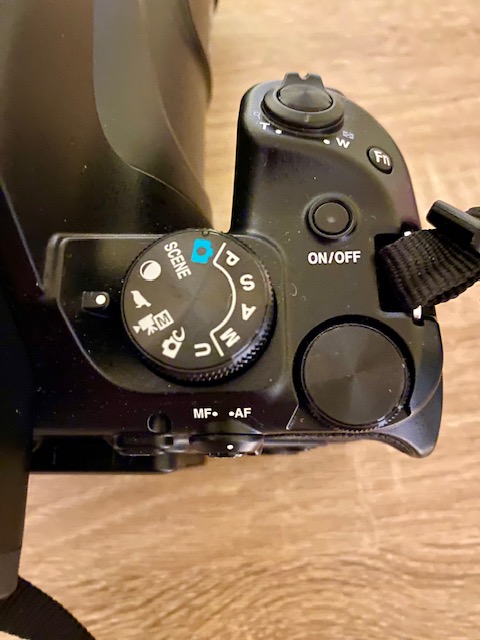
Both the Nikon P950 and P1100 feature a 16 Megapixel CMOS sensor producing images both in RAW and Fine JPEG format. In addition, both cameras feature a number of distinct modes for birding, lunar imaging, fireworks imaging as well as the full gamut of traditional modes including Manual(M), Aperture Priority (A), Shutter Priority (S) and Scene(or Landscape)
Though both cameras are mirrorless, they both have an excellent electronic view finder and high resolution viewing screen that enables the user to see every last detail of your subjects.
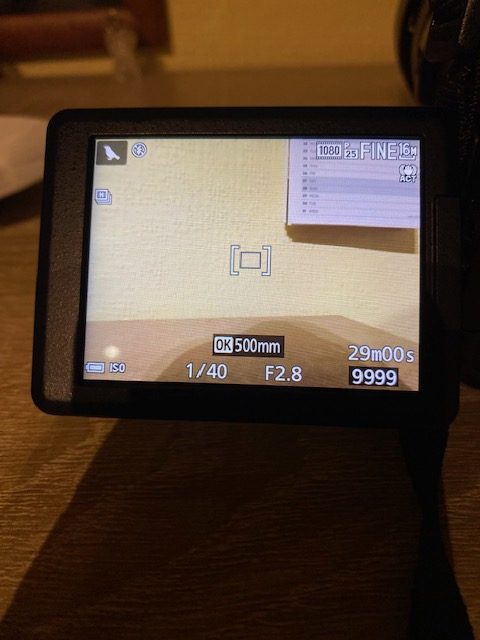
The Zoom Nikkor lenses in both the P950 and P1100 have up to 17 elements in 12 groups, including one Super ED and five ED elements. The reader will note the multiple ED elements used in these cameras. I remember a few rank amateurs on the forums openly sceptical about adopting more than one ED element in binocular and telescope optics. All I’ll say to those folk is take a look at the optical specs on these superzoom cameras to see the folly of your scepticism.
The net result of having such a complex optical design is that you get images that are beautifully sharp and contrasty, with virtually no colour fringing. As a keen birder, I do most of my photography in Bird Mode, where the camera selects the best features suited to imaging birds in a variety of lighting conditions. More advanced options can be employed, including manually focusing and choosing Shutter Priority if you wish to capture birds in flight.
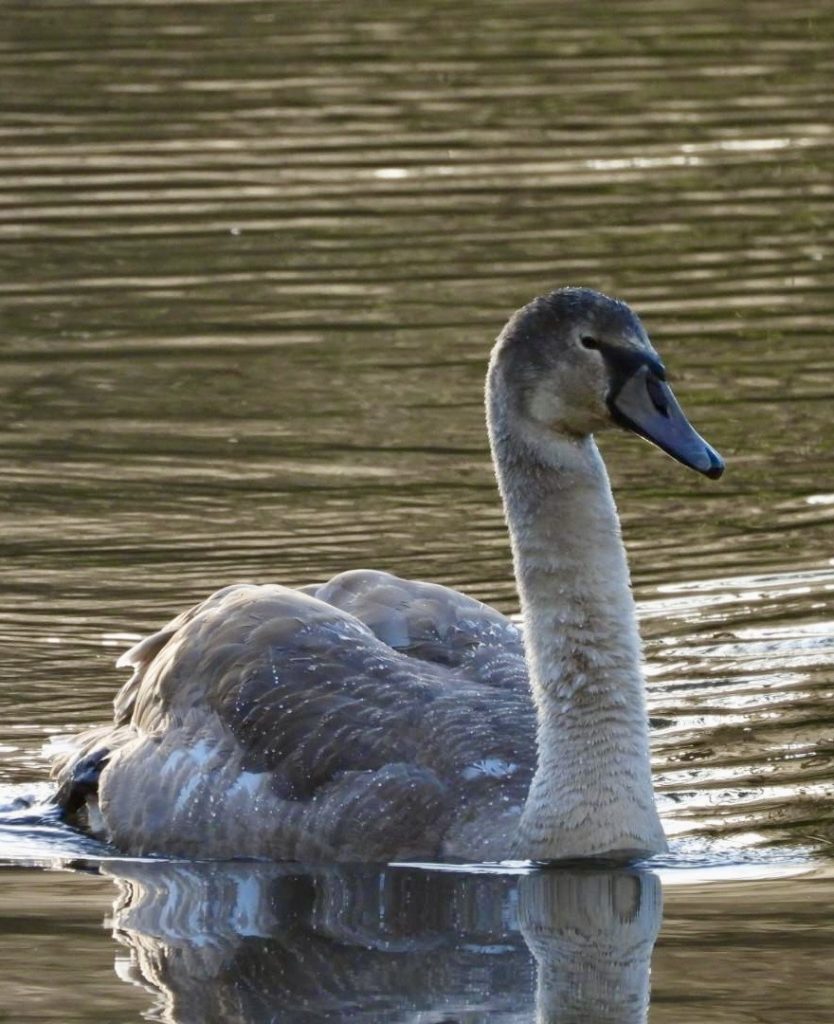
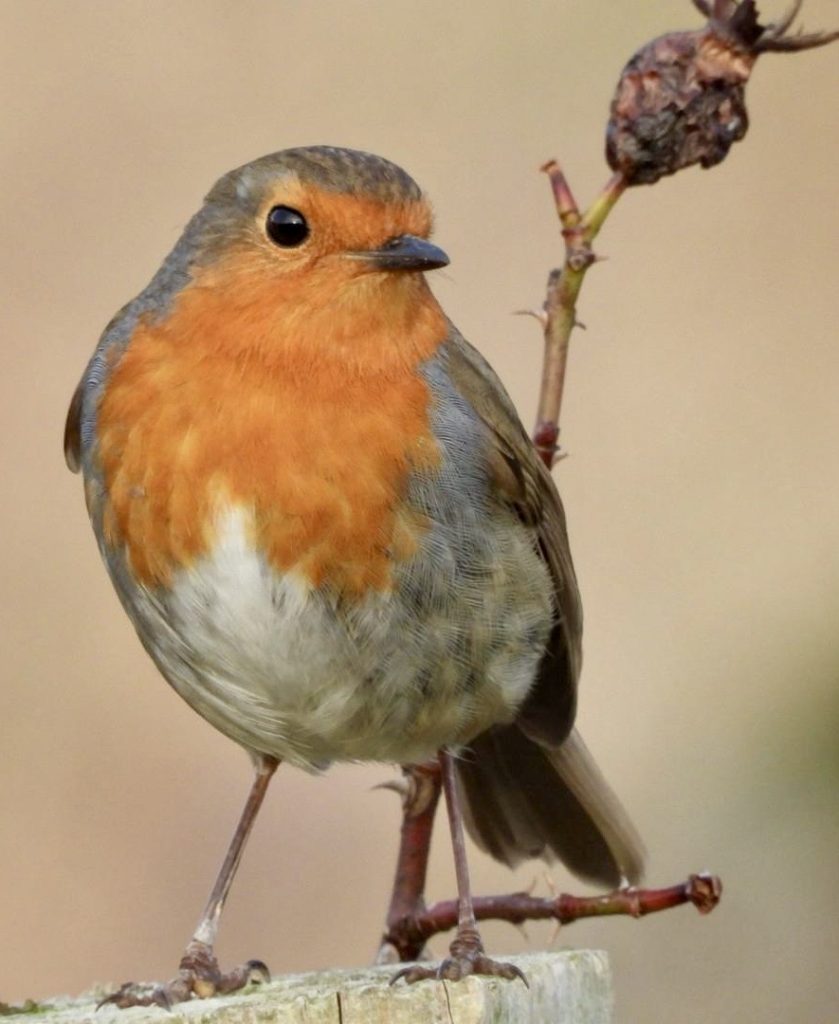
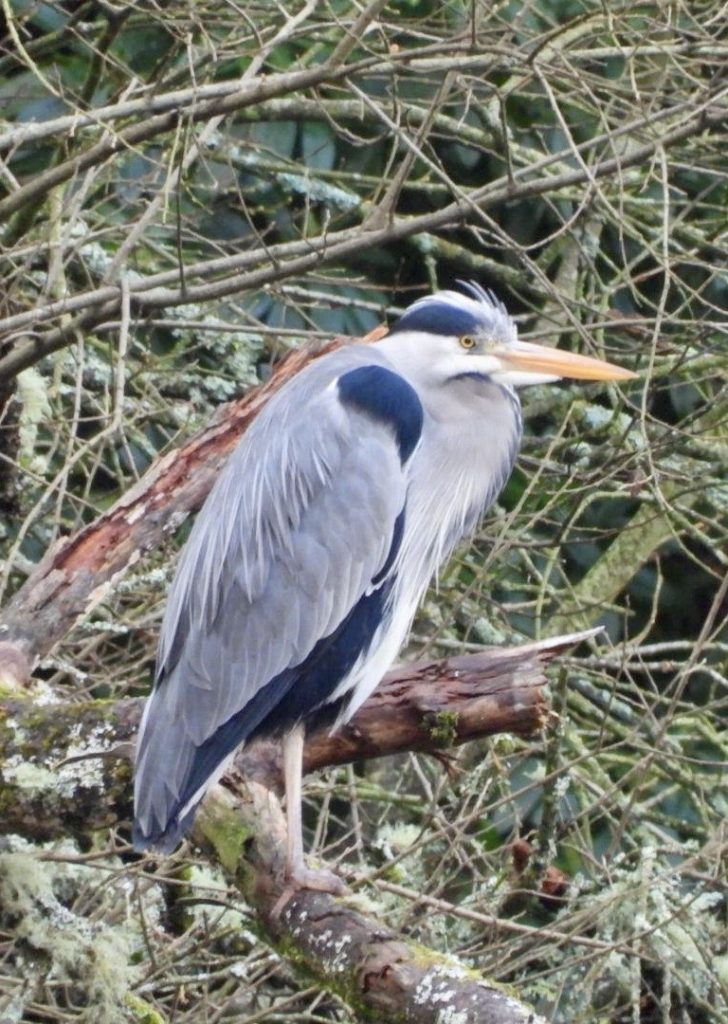
The cameras are capable of taking excellent wide-angle landscape photos at the 24mm setting at f/2.8. As the zoom is extended to longer focal lengths the f ratio increases to a maximum of f/8 on the P1100 and f/6.5 on the P950, necessitating good light to get the best images. The following are a selection of images taken with both the P950 and P1100 at various focal lengths. Bear in mind that all these images were shot in Fine JPEG format with little processing, and that only low resolution images could be posted on this blog. That said, I hope the reader will get a good sense of the potential these bridge cameras offer. Also, the images were all taken handheld, that is, without using a tripod or monopod.
Mute Swan Cygnet: 2000mm@f/6.5
Robin: 2400mm@f/7
Grey Heron: 3000mm@f/8
Common Merganser: 3000mm@f/8

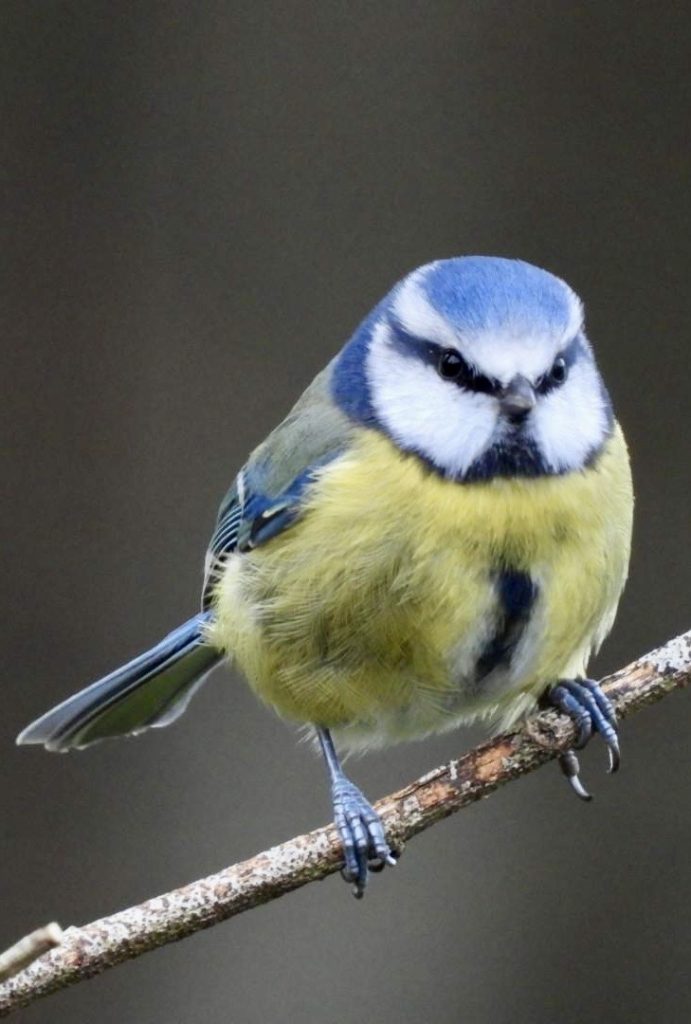
BlueTit: 2000mm@ F/6.5
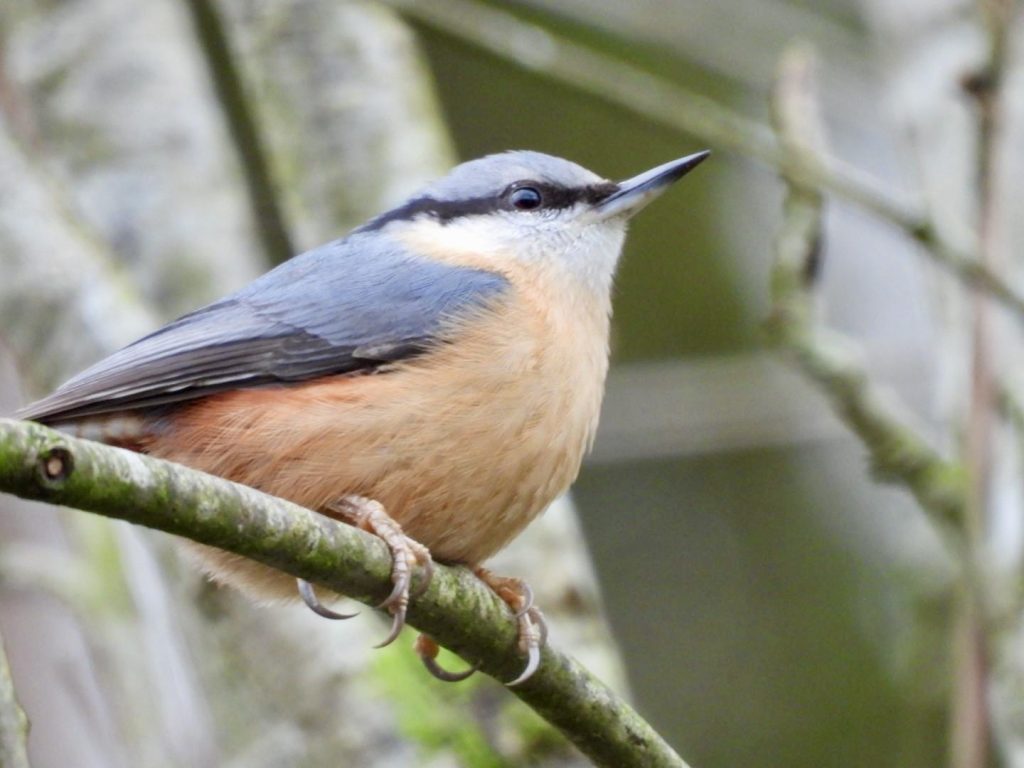
Nuthatch 1500mm@ f/6.8
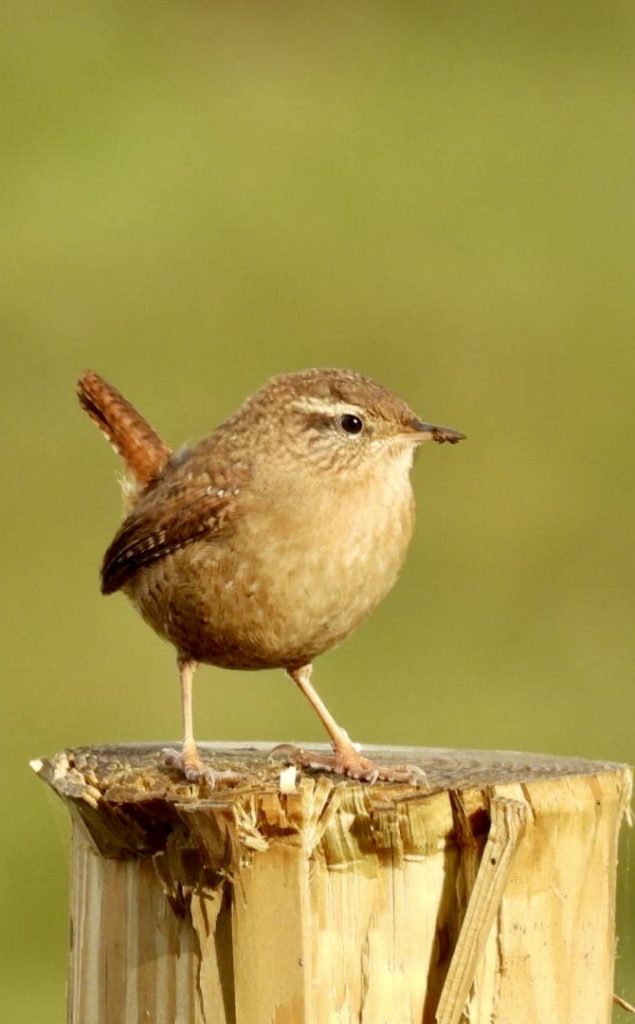
Wren 2000mm @f/6.5
Buzzard: 3000mm@f/8

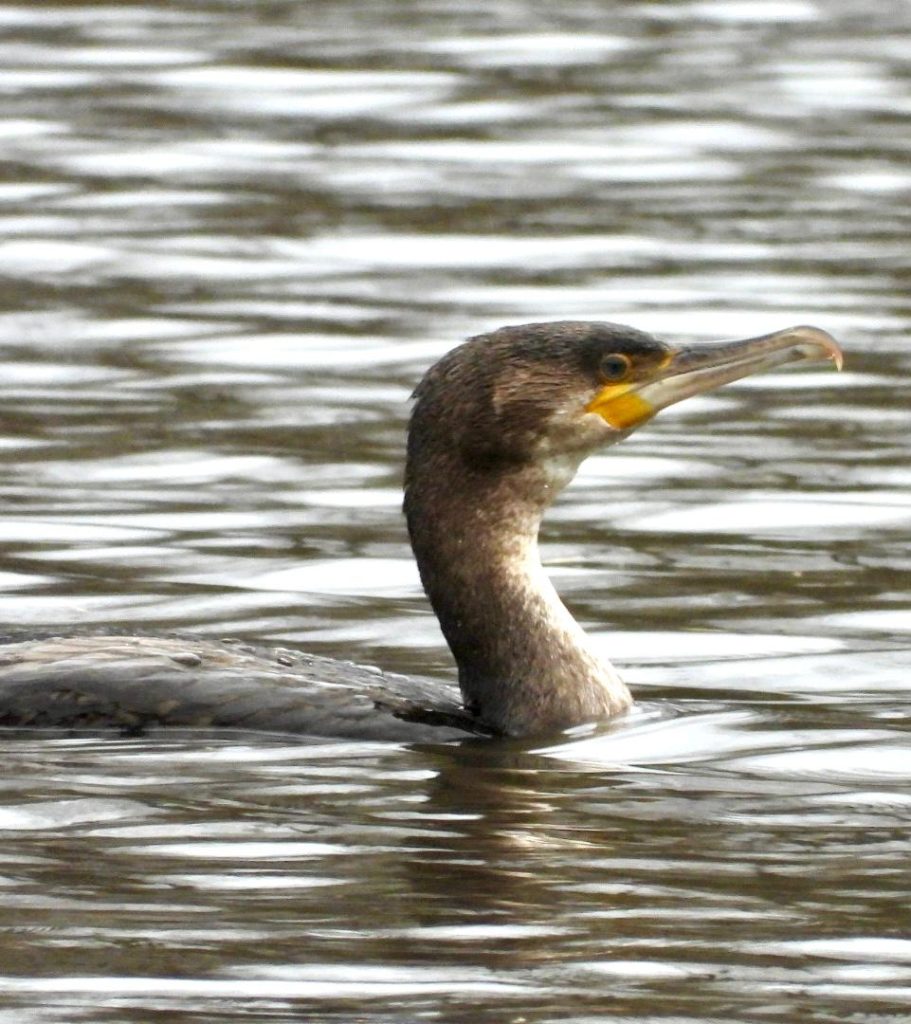
Cormorant: 3000mm@f/8
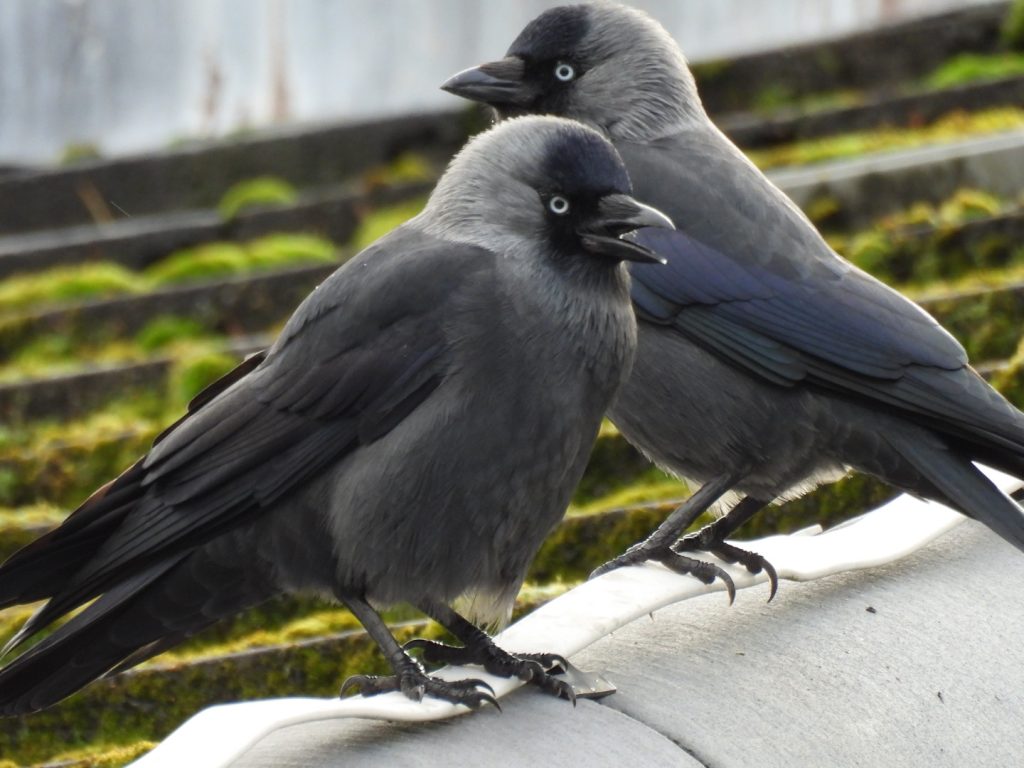
Jackdaws: 2000mm@f/6.5
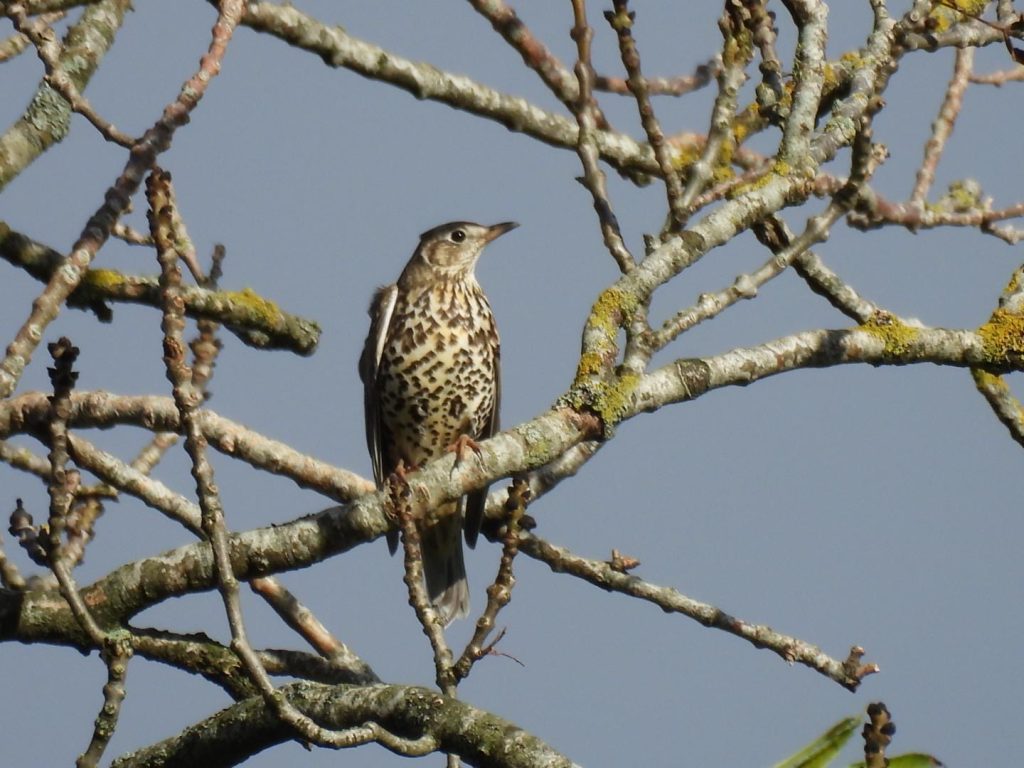
MistleThrush: 2000mm@f/6.5
Fieldfare & Redwing?~150 metres: 3000mm@f/8

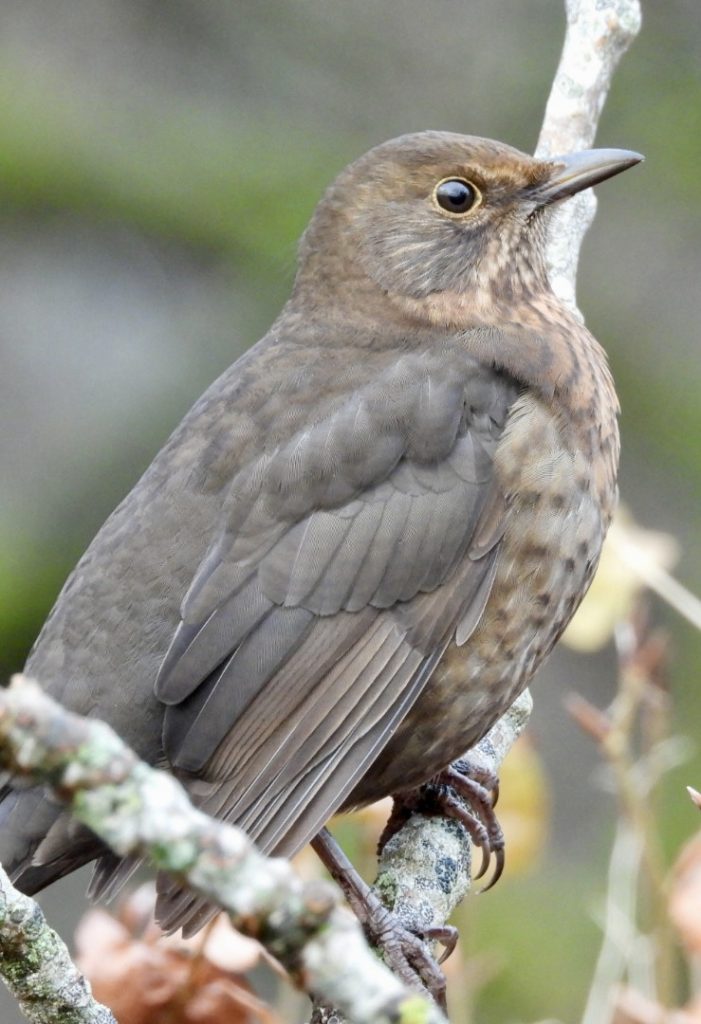
Blackbird: 1000mm@f/5.6
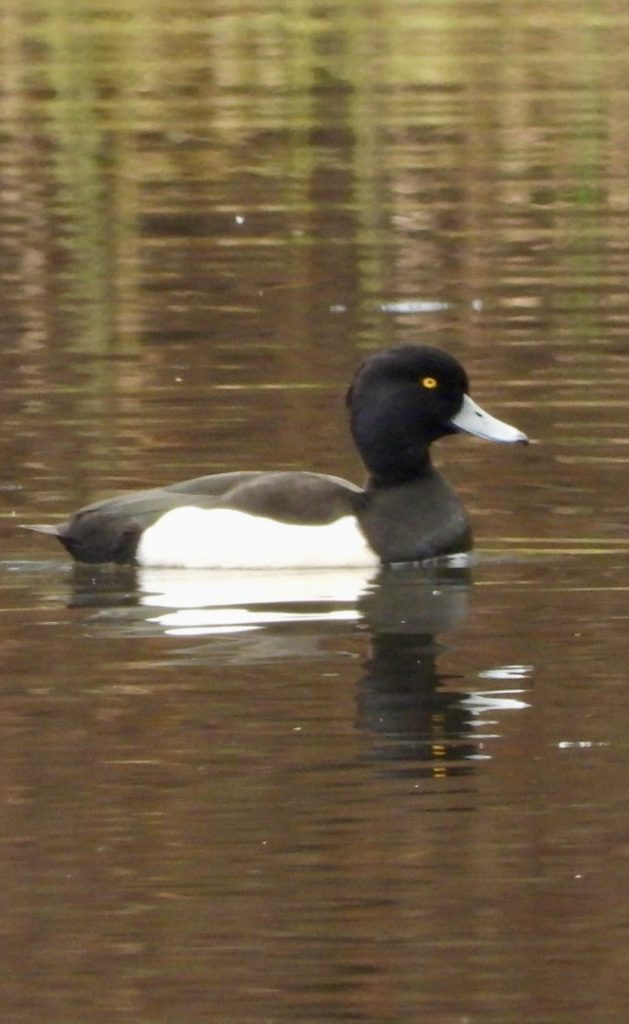
Tufted Duck: 3000mm@f/8
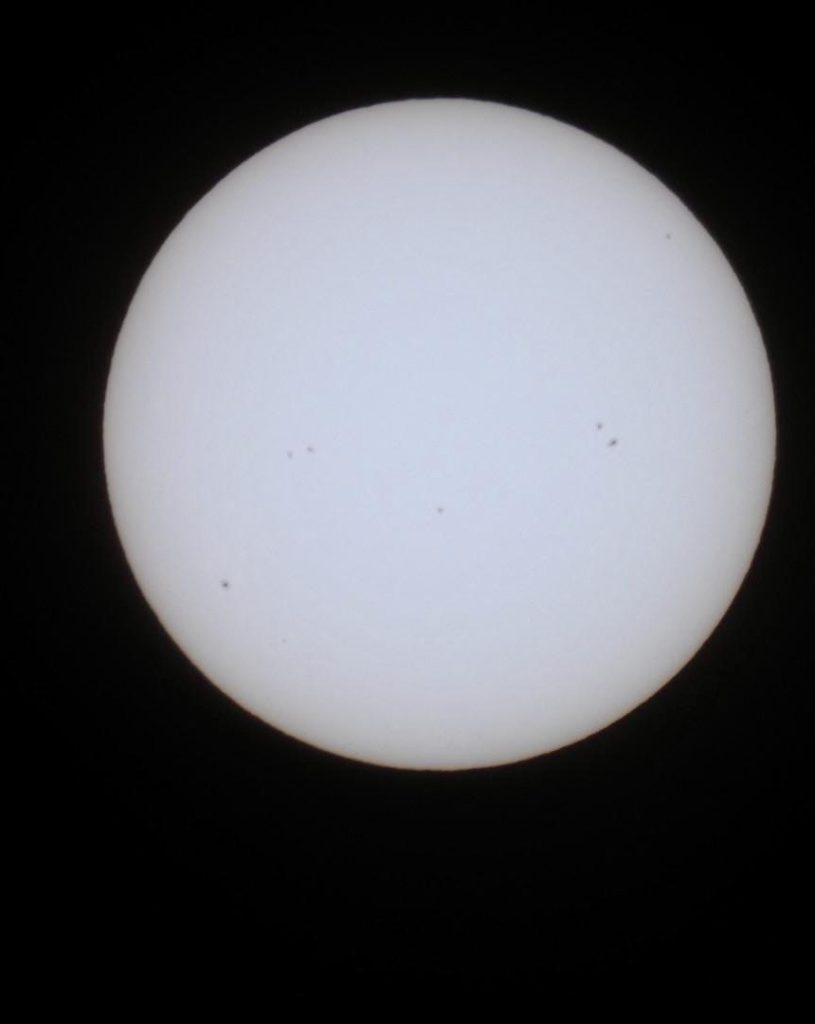
White Light Solar Disk: 2000mmf/6.5
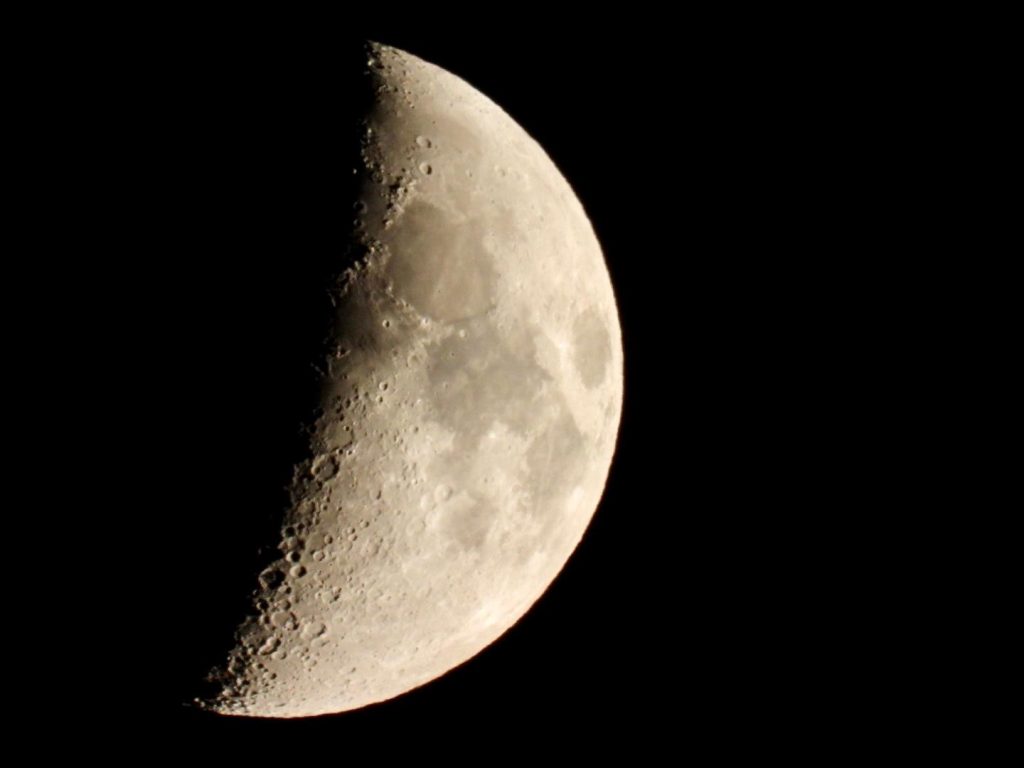
First Quarter Moon: 1800mm f/6.2
Aircraft flying through the Stratosphere: 3000mm@f/8

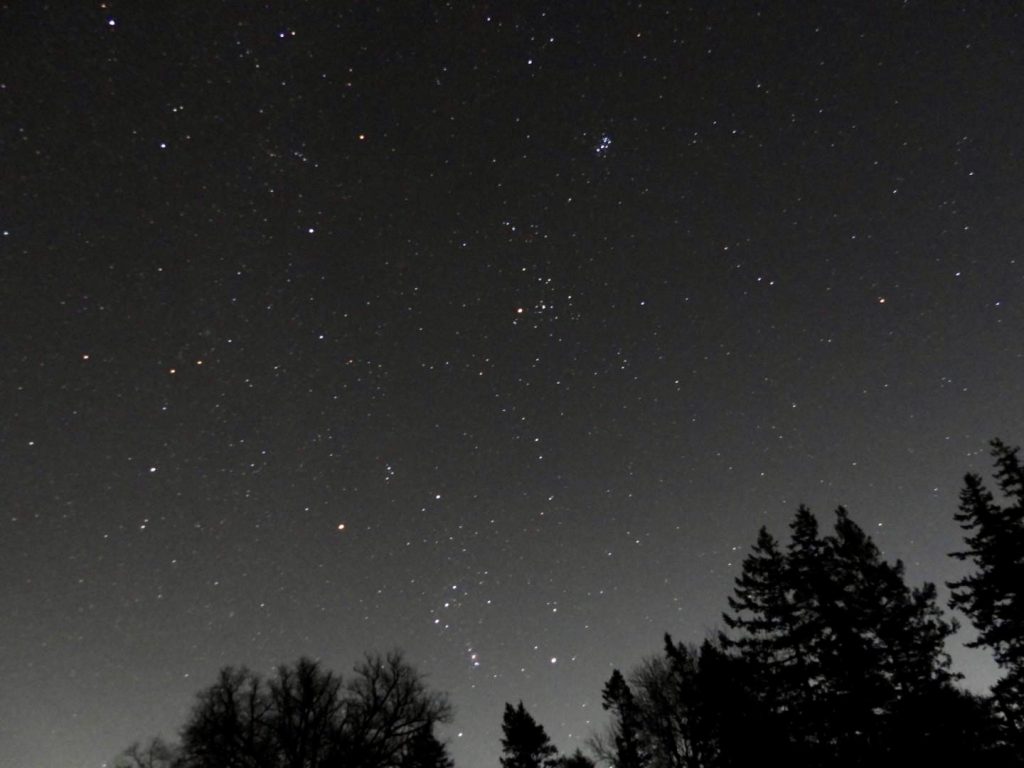
As well as being very capable as landscape photography cameras, both the P950 and P1100 can also be used to take tripod-mounted exposures of the night sky up to 30 seconds long at various ISO settings. I find ISO 400-800 to give the best results.

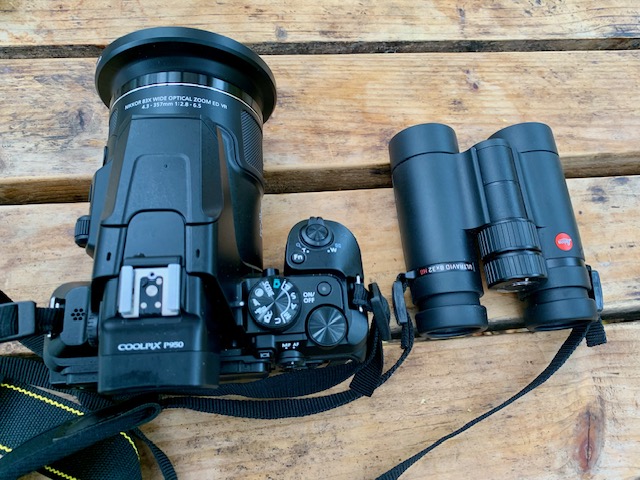
I have taken both cameras along on walks with me, sometimes without binoculars. I find zooming in to 400mm and 500mm to accurately mimic the binocular view at 8x and 10x, respectively. The viewfinder offers up views that are bright enough to see pretty much all the detail I can get with binoculars. However, should you wish to have the best of both worlds, you can certainly take along a small binocular with you. The little Leica Ultravid HD Plus 8×32 is just about doable, but smaller instruments like a Leica Ultravid 8 x20, Swarovski CL Curio 7 x 21 or Zeiss Victory Pocket 8 x25 might even be better options in this regard owing to their lower mass.
Any niggles? Yes a few: the autofocus can often play up if you’re target is surrounded by other high contrast objects, such as focusing on a small bird in a bush. It can also be quite sluggish getting locked on to your target with optimal sharpness. That’s why I use the continuous AF mode to capture a burst of images to increase my chances of getting the perfect shot. As explained earlier, it performs poorly in low light conditions or when trying to shoot a bird perched high in a tree against a bright sky background – just like binoculars in fact.
My biggest gripe however, is the accompanying software which can be downloaded free from the APP store. Called Nikon SnapBridge, it sure as hell sucks! One minute it works fine and the next minute it fails to pair up with the camera, necessitating a great deal of tomfoolery before getting it working again. I’m not the first to point this out either: plenty of other folk have had issues with it.
Neither camera is weather sealed either so you have to be careful protecting them from the elements. You can however make them fog proof by storing them in an airtight Tupperware container filled with silica gel desiccant. If there is a chance of rain I will usually bring an ordinary plastic bag with me to cover the camera body.
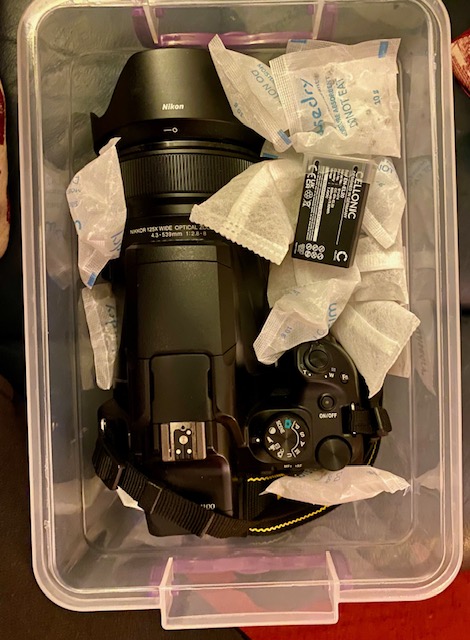
Finally, while the supplied Lithium ion battery has decent longevity, I always carry a fresh backup battery in case I suddenly run out of juice. Typically, I can get three one-hour sessions out of a single charge but in cold weather maybe just two.
Versatile Performers:
To Be Continued………