A Work Commenced June 25 2026
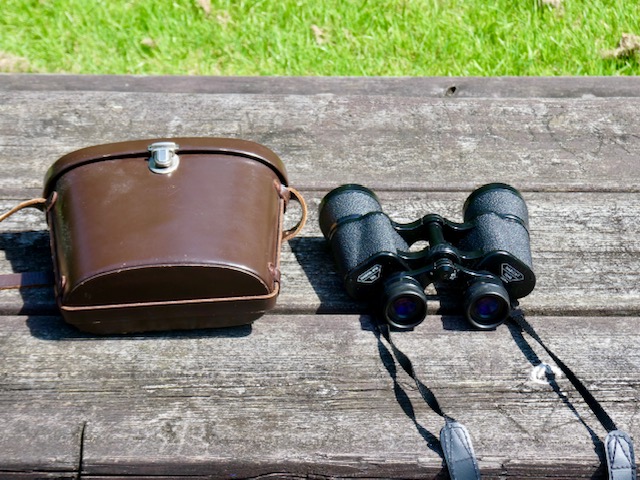
If you’ve been following my work you’ll know I’m always on the lookout for bargains for my readers. These not only come from contemporary models but also from the many classic binocular gems from yesteryear. One such example is the Swarovski Habicht Porro prism binoculars, which have been in continuous production since 1947.
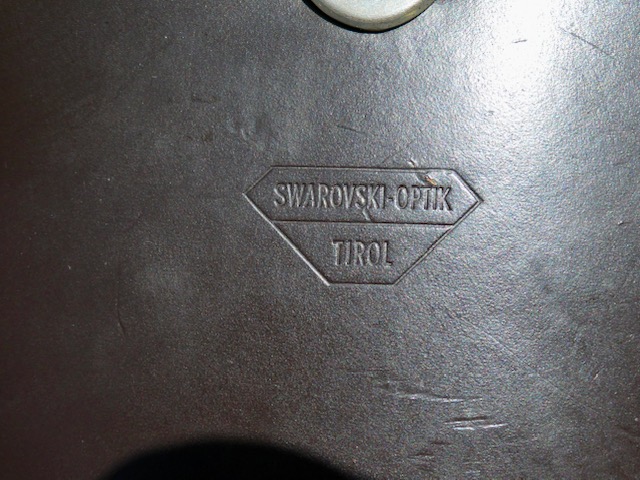
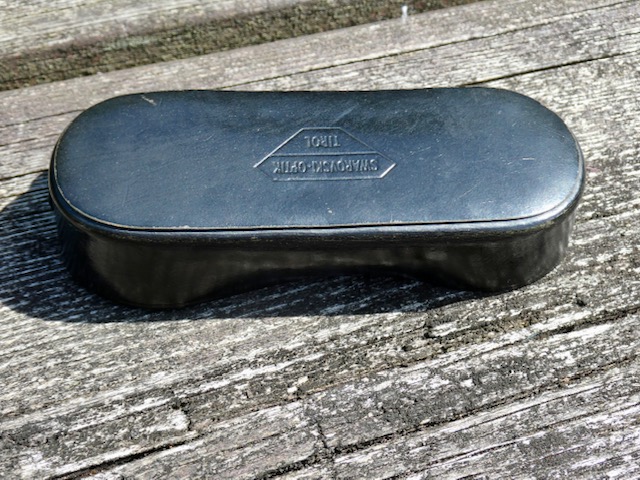
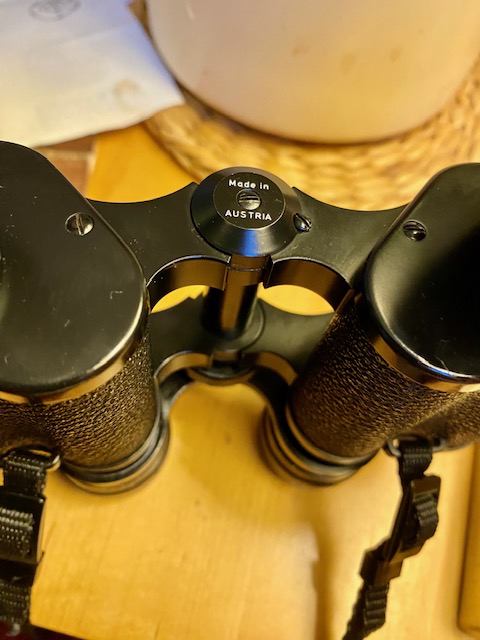
I took a punt on an older Tirol 10 x 40, which was in excellent condition despite its age: the serial number – 180924 – indicated that it was manufactured in 1986, so is 40 years old. It came with its original leather case and a rain guard made out of leather! Contacting Swarovski, they were able to confirm that the unit was sealed at the time of manufacture, explaining why the interior of the instrument was clean and dust free. I understand all models after 1984 were weather-sealed.
Weighing in at just 694g, the 10 x 40 Tirol has superb ergonomics. The Porro prism design lends itself to very comfortable handling: better I would say than many modern roofs.
Having sampled the modern incarnation of both the 8 x 30 W and 10 x 40W Habichts, the older Tirol model is made to the same high standards. The central focus wheel is quite stiff in this older model too, an indication that the optics are sealed off.
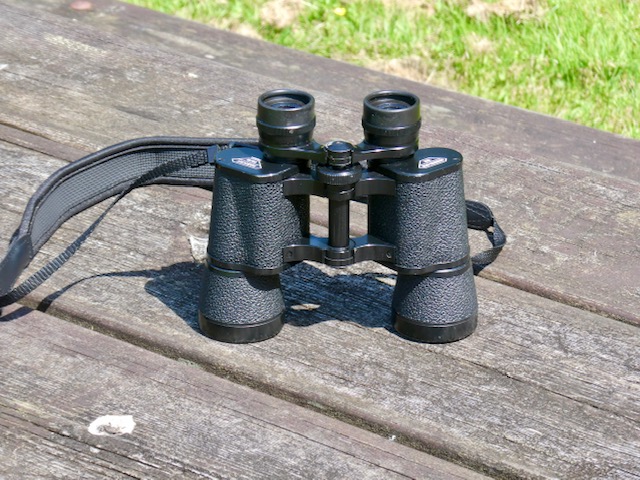
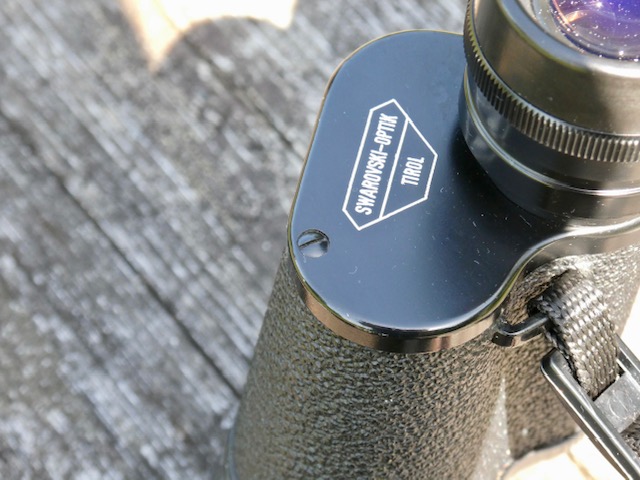
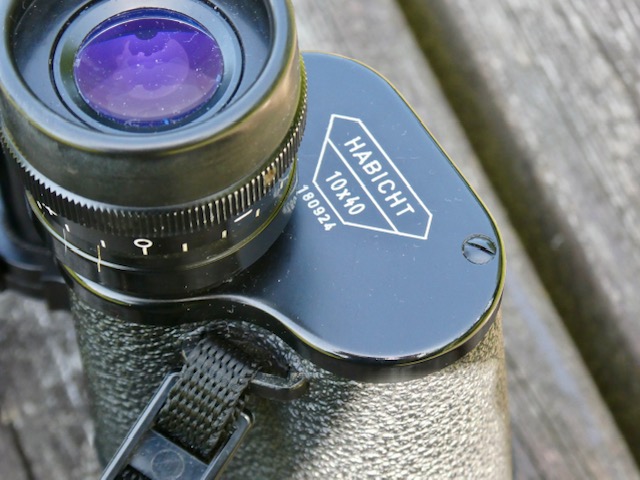
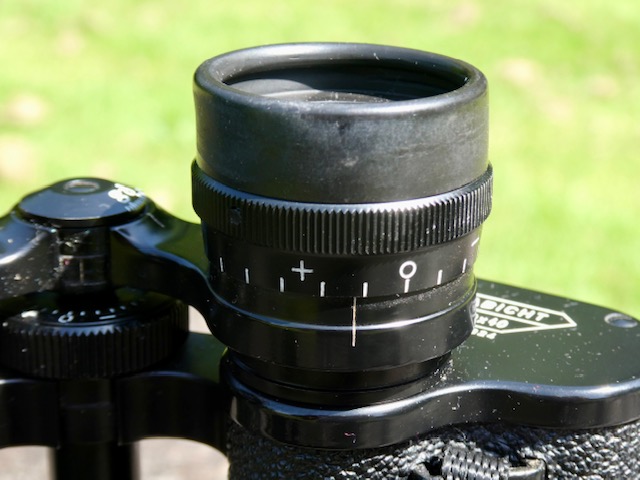
The right eye dioptre rotates smoothly just like the modern Habicht models and holds its position well. The eyecups are made out of soft rubber on this model: a departure from older units which were fashioned using hard, plastic. The leatherette is also in excellent condition despite its considerable age.
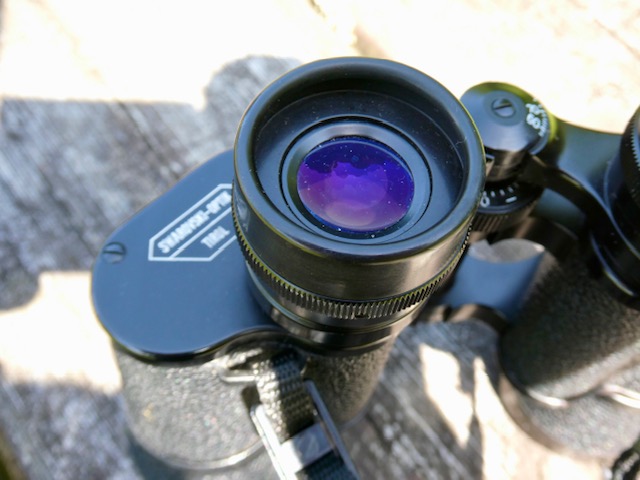
The antireflection coatings applied to the optical components on the Swarovski Habicht Tirol 10 x 40 have a strong bluish hue. Known as Transmax, it was revolutionary for its time, boosting light transmission to between 80 and 85 percent but at the expense of blocking some bluer wavelengths. In addition, the tint might come from using glass that has poorer transmission of blue wavelengths: a trait associated with many older glass types. Having sampled a fair amount of older glasses from pretty much all vintage optical houses, I believe you can see it in any of them! – roof or Porro.
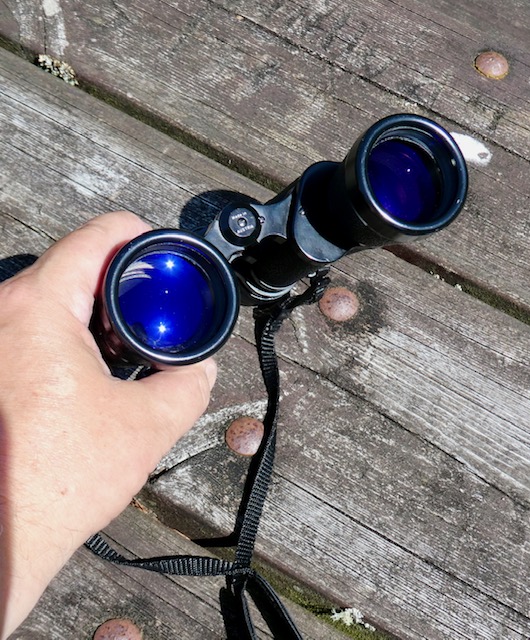
Optically, the Tirol 10 x 40 serves up a magnificent image: surprisingly bright, razor sharp within a large sweet spot, but with some peripheral softening near the field stops. Indeed it is as good as any modern alpha glass. That shouldn’t surprise you. The optical components are of the finest quality with excellent figuring and polishing and that leads to first class images.You see, it’s all that meticulous figuring and polishing that minimises all the Seidel errors that creates that optical magic.
Those Seidel errors of old,
monochromatic imperfections,
Now known throughout the nations
The only difference between this older unit and the contemporary Habichts is the coatings applied which can now achieve an astonishing 96 per cent light transmission and which deliver a neutral colour balance. As you’d expect from a good Porro prism binocular, you get a wonderful stereoscopic effect – enhanced by the 10 x amplification -on objects imaged in the middle distance.
Close focus is a little over 3m; perfectly fine for a Porro as closer distances would render it very difficult for your eyes to merge the images together. There is also a great deal of post-infinity focusing on this unit- good news for even the most myopic amongst us. My subjective impression is that the slight yellowish cast to the image increases contrast, especially in hazy or dusty conditions. And while some would claim that this off-white colour bias could lead to mis-identification of bird species, I believe that’s poppycock. The yellow cast is so slight it would never be enough to lead to a false identification of even the most variegated of avian species.
The lower light transmission will however manifest itself in dimmer images, at dawn and dusk, when the contemporary Habicht series would sure have an edge.
There you have it!
Old Habichts certainly do die hard!
In summary then, I would highly recommend the Swarovski Habicht Tirol 10 x 40 to anyone. For a modest price tag of about £400 on the used market, you’re getting a first class glass with a strong retro accent. Worried about the glass fogging up internally in cold, humid conditions? Not if you store the instrument in a simple Tupperware container filled with desiccant. After a few days in this container, there will be no water vapour left inside to do any fogging! Just make sure to return it to the same box after using it in the field.
Thanks for reading!
Read more about classic binoculars in my book, Choosing & Using Binoculars, A Guide for Stargazers, Birders and Outdoor Enthusiasts.